
Sketch Seminar Home > Workshops
2026 USk Chicago Sketch Seminar Workshop Lineup
| WS01 | Daniel Pagans | Chicago Simplified |
| WS02 | Darman Angir | The Mighty Complementary Watercolors |
| WS03 | Pedro Loureiro | Sketch Like Theater: Show Less, Tell More |
| WS04 | Christina Wald | Urban Sketching with Gouache |
| WS05 | Jingo De La Rosa | K.I.S.S. (Keep It Simple, Sketcher!) |
| WS06 | Amy Gowans | The Visual Souvenir: Sketching Memories a Camera Can’t Capture |
| WS07 | Don Yang | Best of Line and Color: Pen and Watercolor for Urban Sketching |
| WS08 | Mark Jones | Color Pencil Techniques for Dramatic Effect |
| WS09 | Kelly Zeng | From Simple Sketches to Masterpieces |
| WS10 | David Lawrie | Of Ink and Wash |
| WS11 | Shabad Kaur Khalsa | Are You Pastel-Curious? |
| WS12 | Joel Berman | Reportage and the Energy of the Crowd |
| WS13 | Ken Czech | Let’s Figure It Out |
| WS14 | Tina Tang | Primed for Play: Gelli Prints as a Starting Point for Sketching |
WS01 – Chicago Simplified with Daniel Pagans
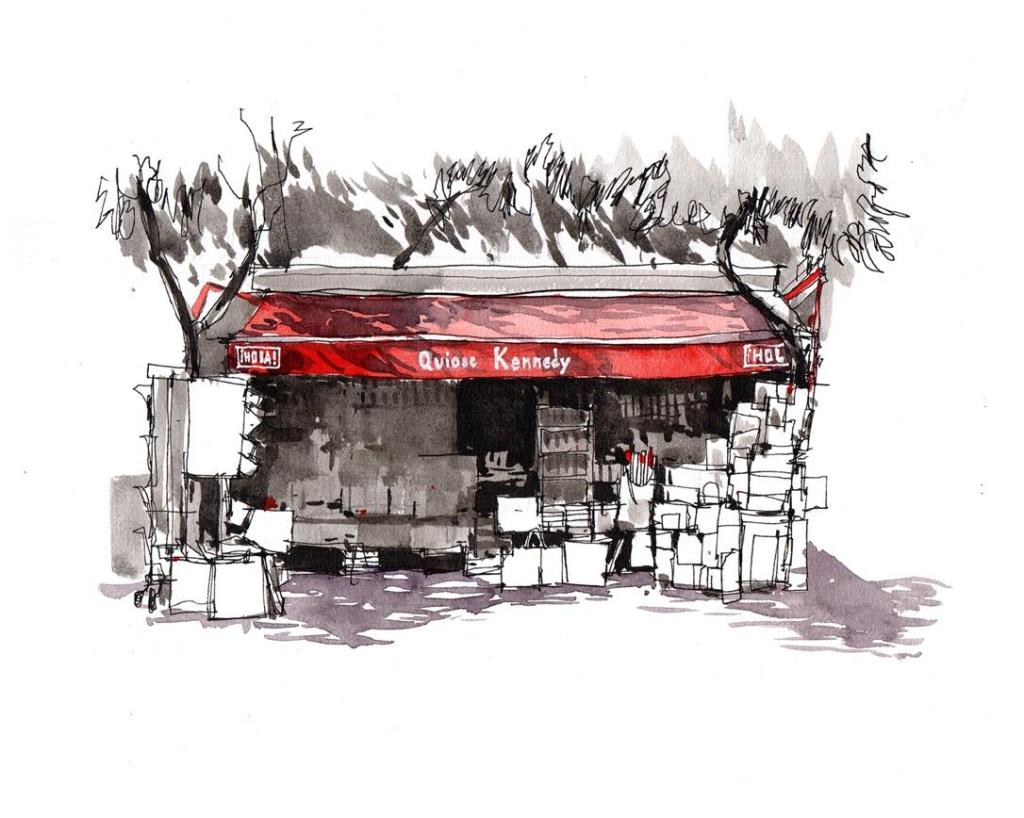
The aim of this workshop is to learn the power of simplicity with various techniques to simplify the different scenes we want to capture in our sketchbook. In this way we can gain speed and freshness in our drawings.
In this workshop, we’ll explore three exercises to simplify and refine the sketching process using basic elements. Throughout the session, I’ll provide personalized feedback, and at the end, we’ll review and discuss everyone’s work.
Learn more about Daniel Pagans.
WS02 – The Mighty Complementary Watercolors with Darman Angir
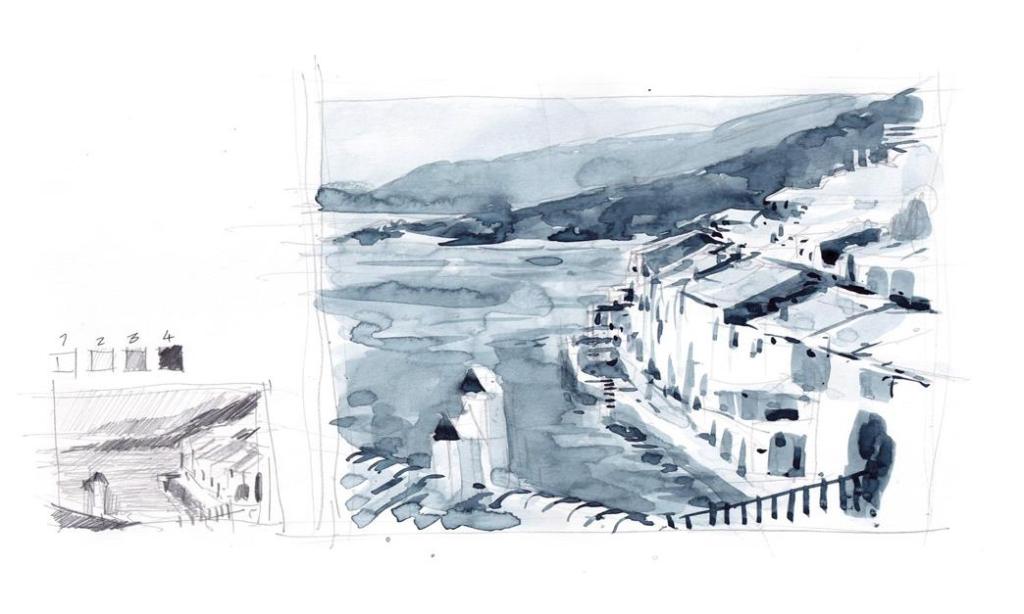
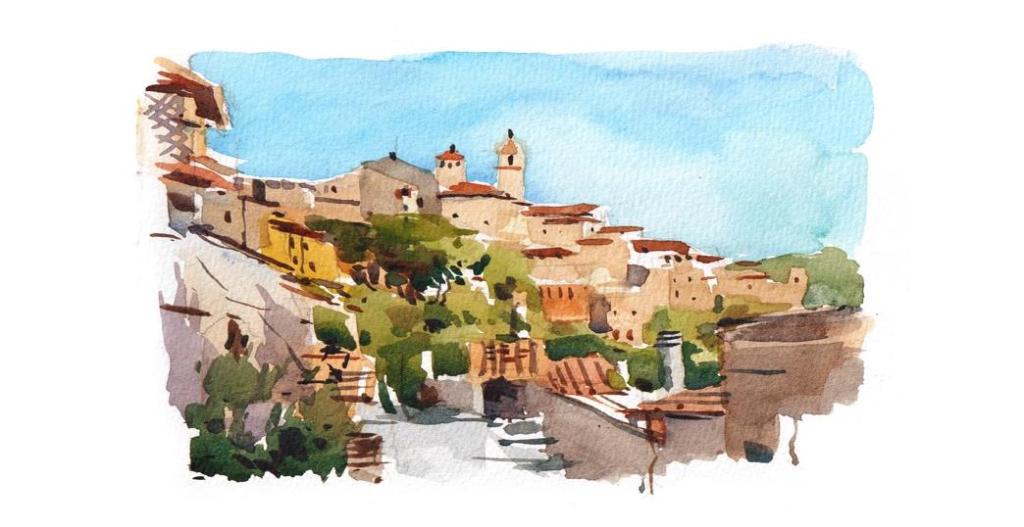
This workshop focuses on watercolor sketching using a very limited palette of only two or three complementary colors. Both straight complementary and split complementary color harmonies have great potential to produce dramatic sketch work. These color strategies are especially effective when sketching visually distinctive cities like Chicago, which features many American architectural masterpieces and historic buildings.
Urban sketching always aims to simplify the process on location, and color choice is one of the most important tools. While a limited palette is already simpler than using a full range of colors, this workshop takes it further by working with a minimum of just two or three colors — before eventually exploring monochromatic tonal sketches.
We will learn how to use complementary colors to create a wide range of visual drama. Straight and split complementary harmonies can produce powerful results when combined with techniques such as spatial layering, underwashing and more.
Learn more about Darman Angir.
WS03 – Sketch Like Theater: Show Less, Tell More with Pedro Loureiro
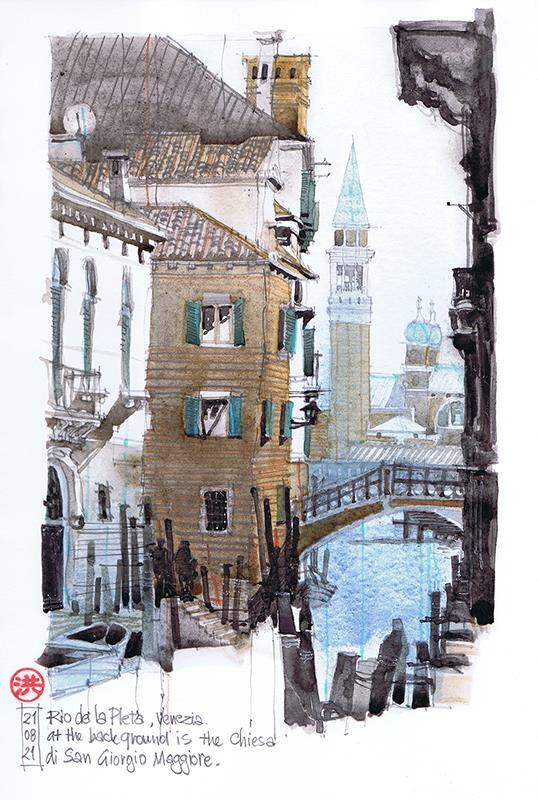
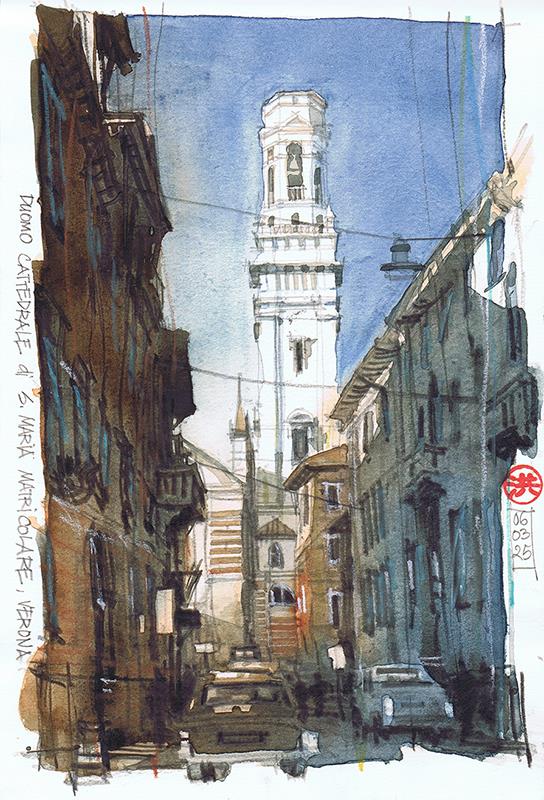
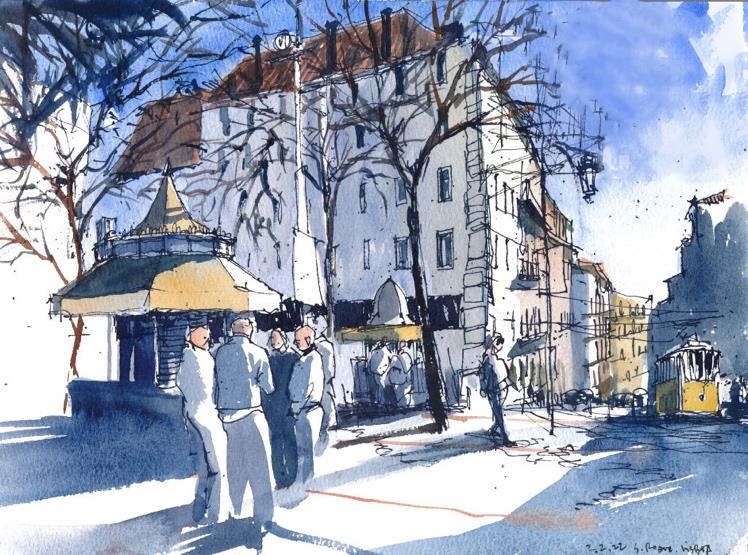
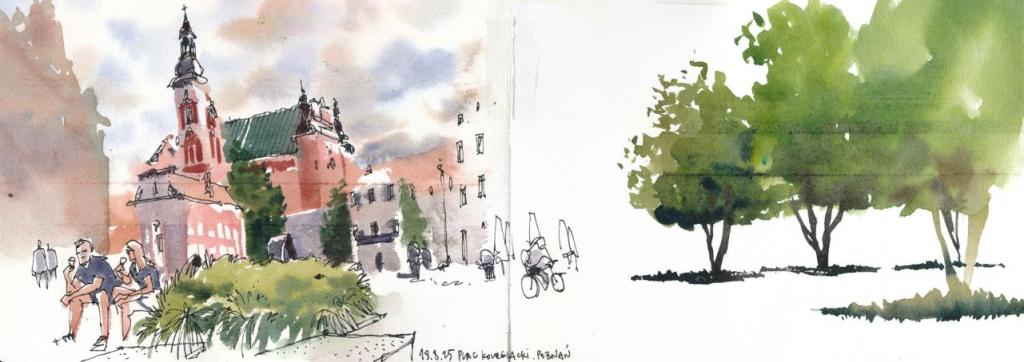
Reality is overwhelmingly rich with details, but we don’t usually sketch it like that. We simplify, we refocus, we interpret! When we learn how to break down reality into simpler building blocks, our attention is enhanced. We perceive the world around us in a different way!
In this workshop we’ll explore one way to visually simplify the world and commit it to our sketchbooks. We will see how large washes of watercolor become shapes that mimic buildings and elements of landscape, akin to setting the stage ready for a theater play. We will overlay other shapes as shadows, shedding light on the true focus of the sketch. Finally, we will explore the ink pen as a tool to outline and detail the architectural features, the people and all the different elements that imbue streets with life, much like actors and props achieve that on stage.
Learn more about Pedro Loureiro.
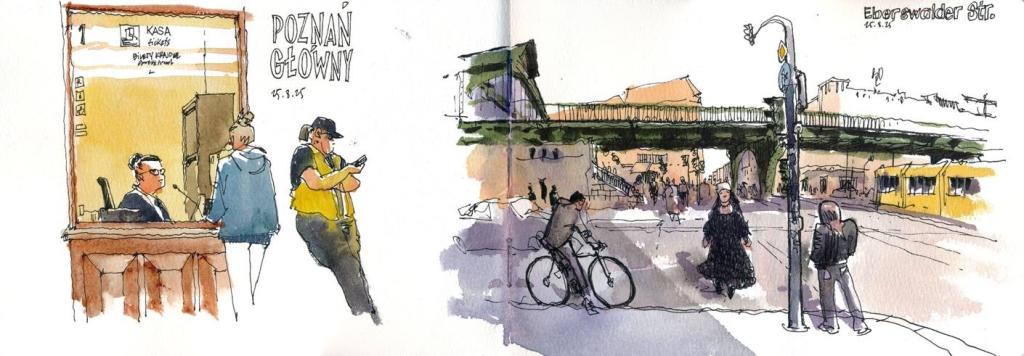
WS04 – Urban Sketching with Gouache with Christina Wald
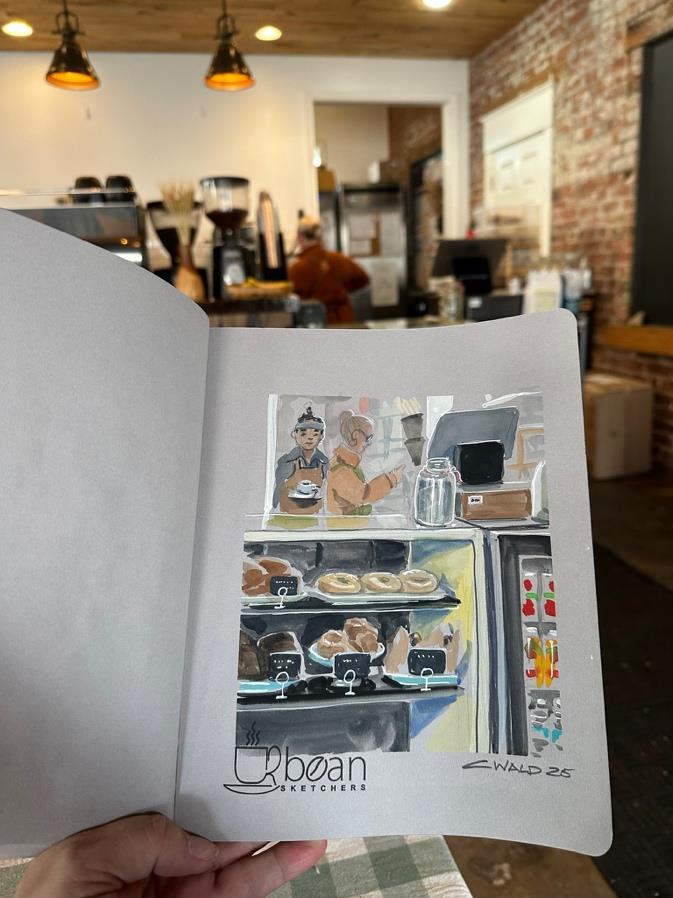
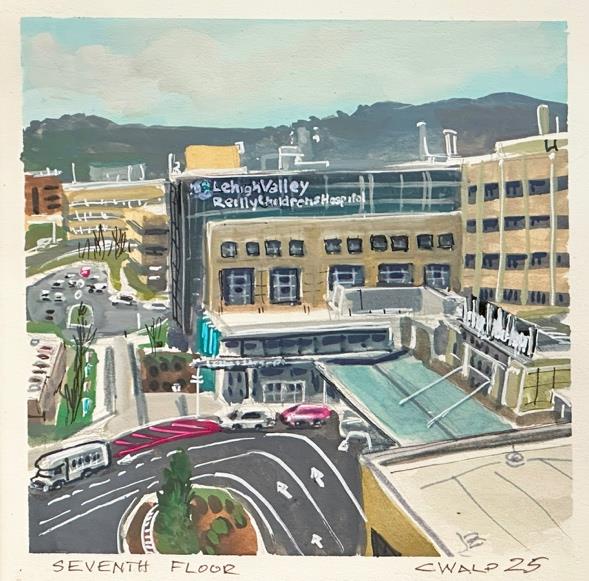
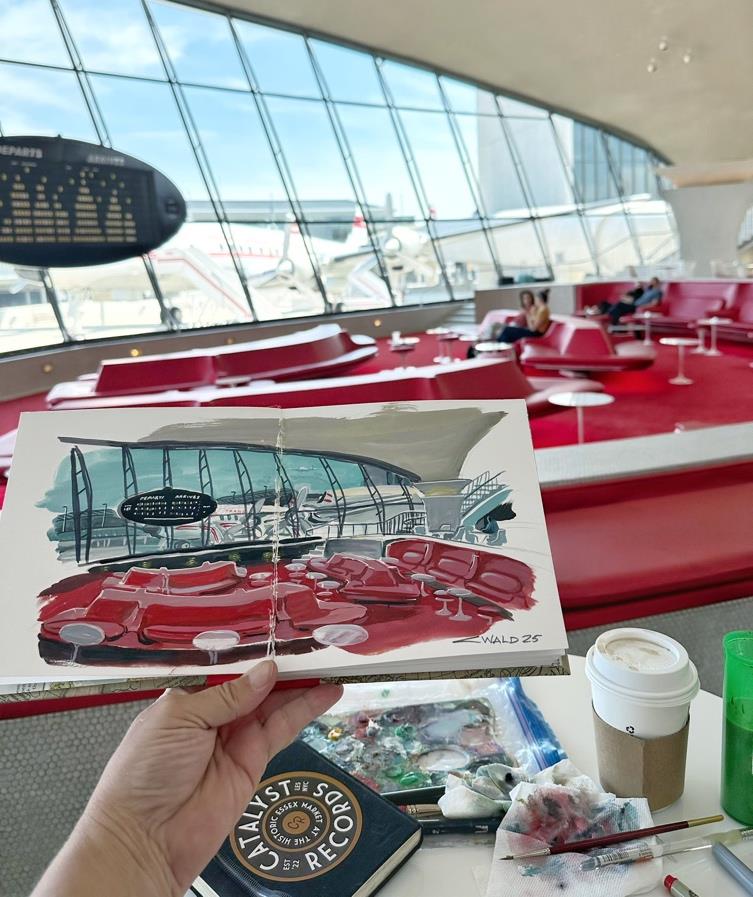
Curious about gouache? This versatile, opaque watercolor is a favorite among urban sketchers and illustrators for its vibrant, matte finish. Cameras and scanners LOVE it.
This workshop will help you learn how to effectively use gouache for your sketches. Whether you’re new to gouache or want to get faster, bolder results in your sketching practice, this workshop will give you the tips and tools to experiment.
Learn more about Christina Wald.
WS05 – K.I.S.S. (Keep It Simple, Sketcher!) with Jingo De La Rosa
Urban sketching can feel overwhelming sometimes– too many subjects, stories, and even supplies! In this workshop, we’ll focus on simplification as a powerful sketching tool. You’ll learn how to produce complex scenes using clear shapes, strong values, and intentional mark making that captures the essence of a place without getting lost in details. Through guided demos and on-location sketching, we’ll practice editing as we go and making decisions on what to include and what to leave out. We’ll also talk about editing our own supplies: what to use, and what to leave at home!
Learn more about Jingo De La Rosa.
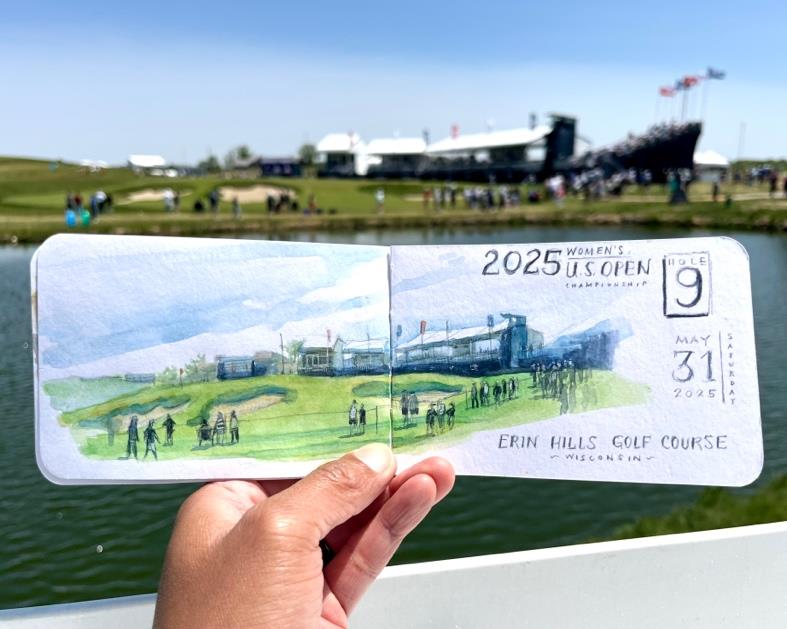
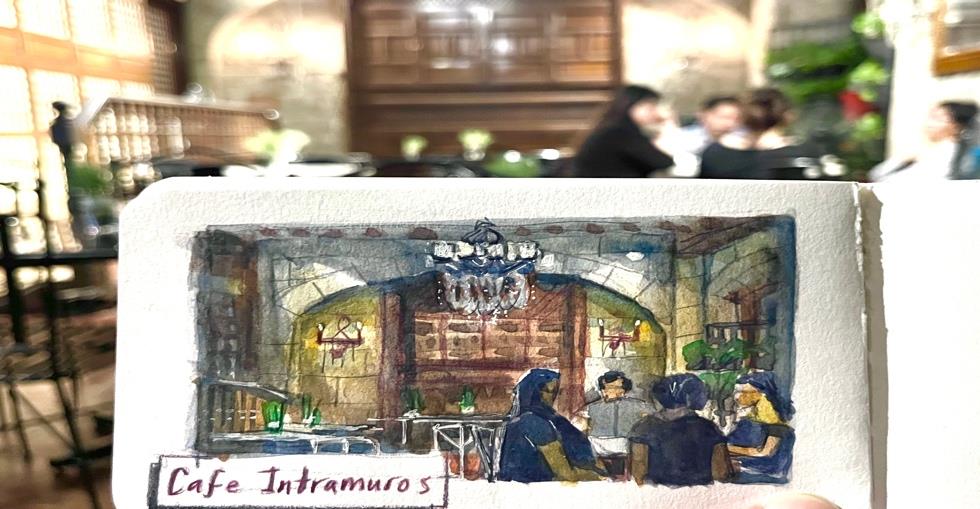
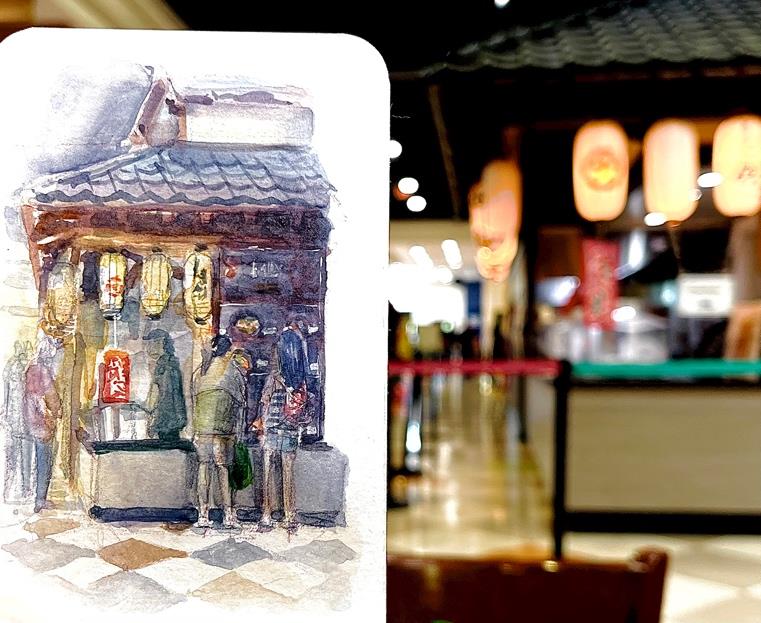
WS06 – The Visual Souvenir: Sketching Memories a Camera Can’t Capture with Amy Gowans
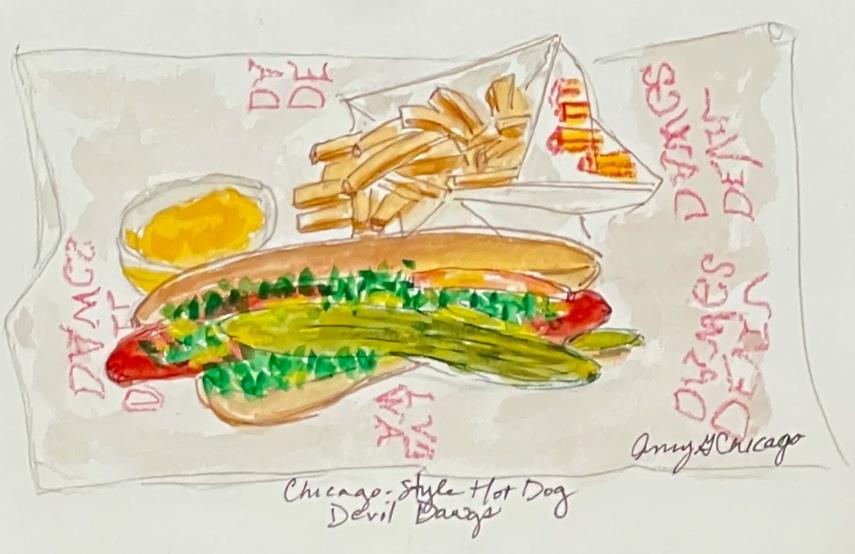
Stop observing and start engaging. Travel sketching is about creating “visual souvenirs”—personal records of your journey that a camera can’t capture. This workshop will teach you to plan your travel narrative and provides the tools to sketch with ease. The goal: that every participant, regardless of experience, leaves with the unshakeable confidence to capture any memory from their travels. Turn your next trip into an everlasting story.
Learn more about Amy Gowans.
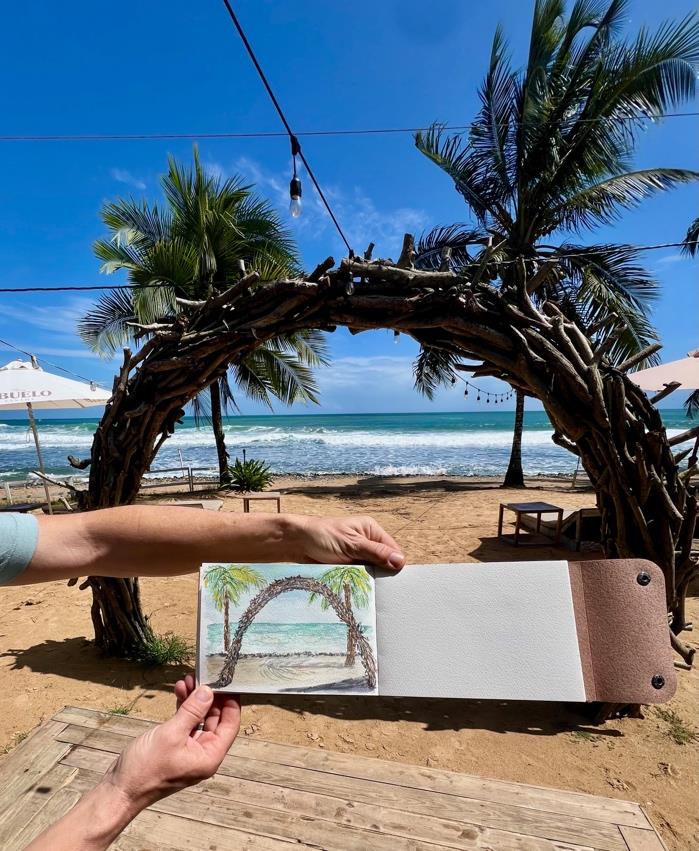
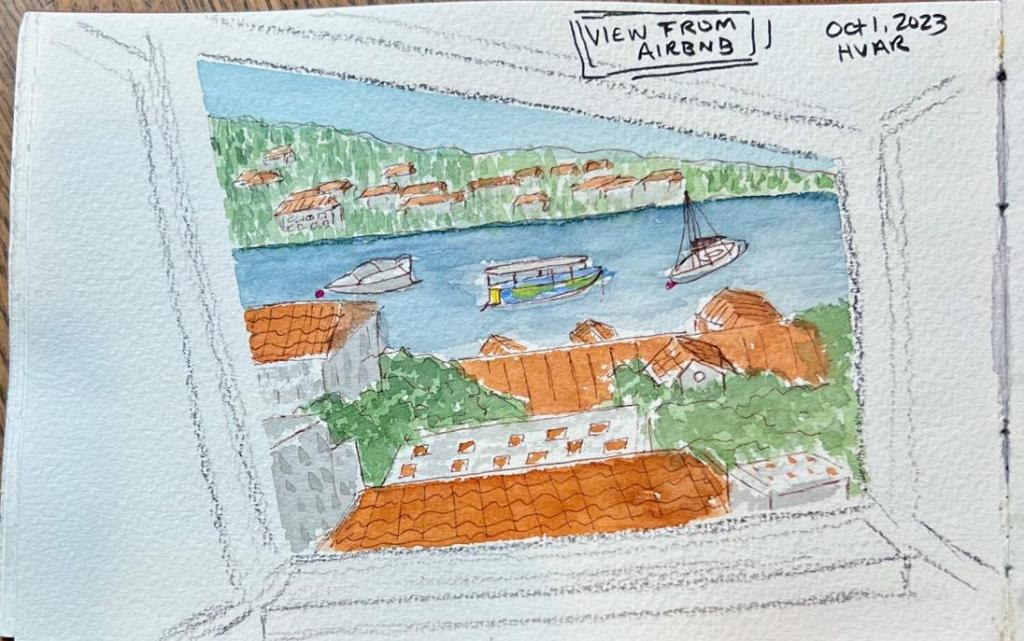
WS07 – Best of Line and Color: Pen and Watercolor for Urban Sketching with Don Yang
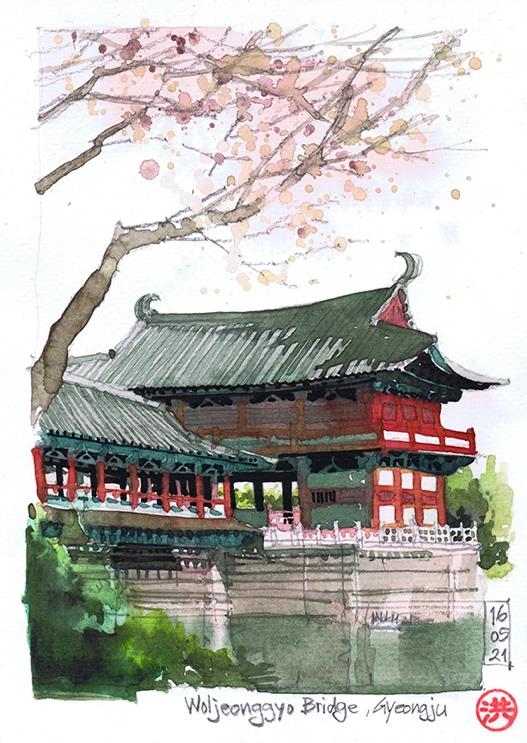
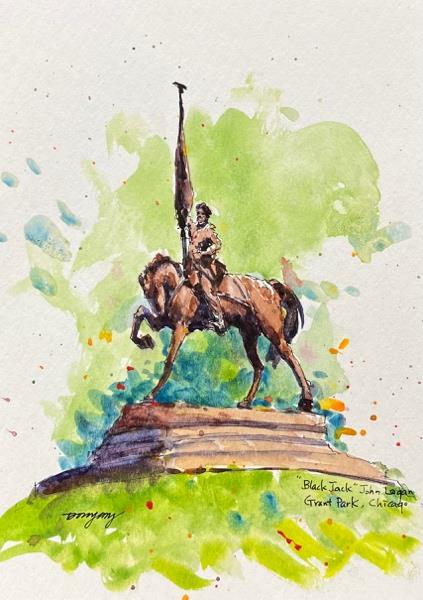
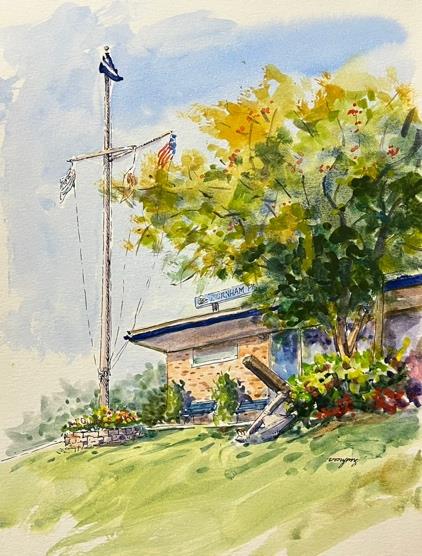
Learn how to effectively combine pen sketching with watercolor painting to get the maximum benefit from both mediums.
Students will explore how to handle pen and watercolor together, along with specific sketching methods and techniques unique to this combination. We will also cover essential fundamentals of outdoor sketching, including convincing drawing, strong composition, color harmony, and working successfully in an outdoor environment.
Learn more about Don Yang.
WS08 – Color Pencil Techniques for Dramatic Effect with Mark Jones
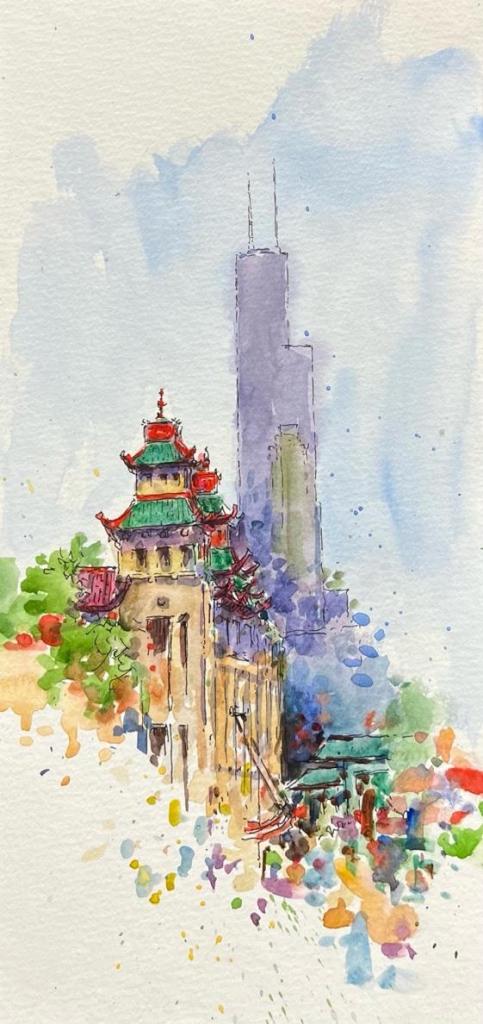
Learn the basics of colored pencils for urban sketching.
Students will explore different types of colored pencils (wax-based, oil-based, and water-soluble) and compare student-grade vs professional-grade quality. We will practice blending, layering, and using colored pencils on various papers. Techniques for sketching windows, water, and skies using graphite and pen will also be covered.
Learn more about Mark Jones.
WS09 – From Simple Sketches to Masterpieces with Kelly Zeng
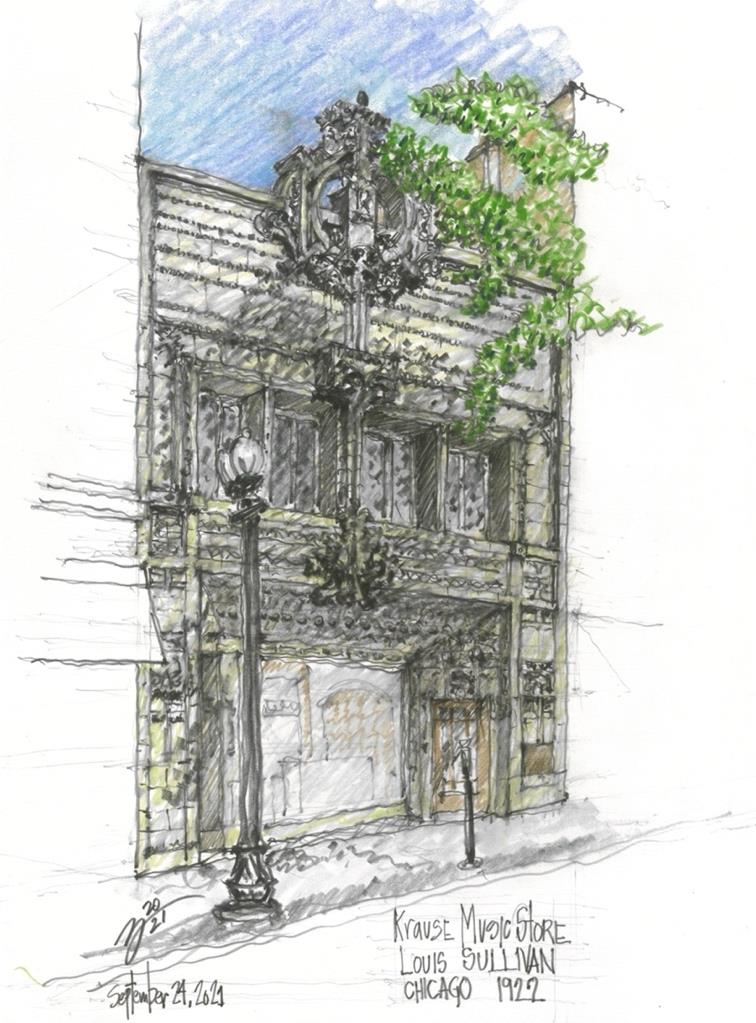
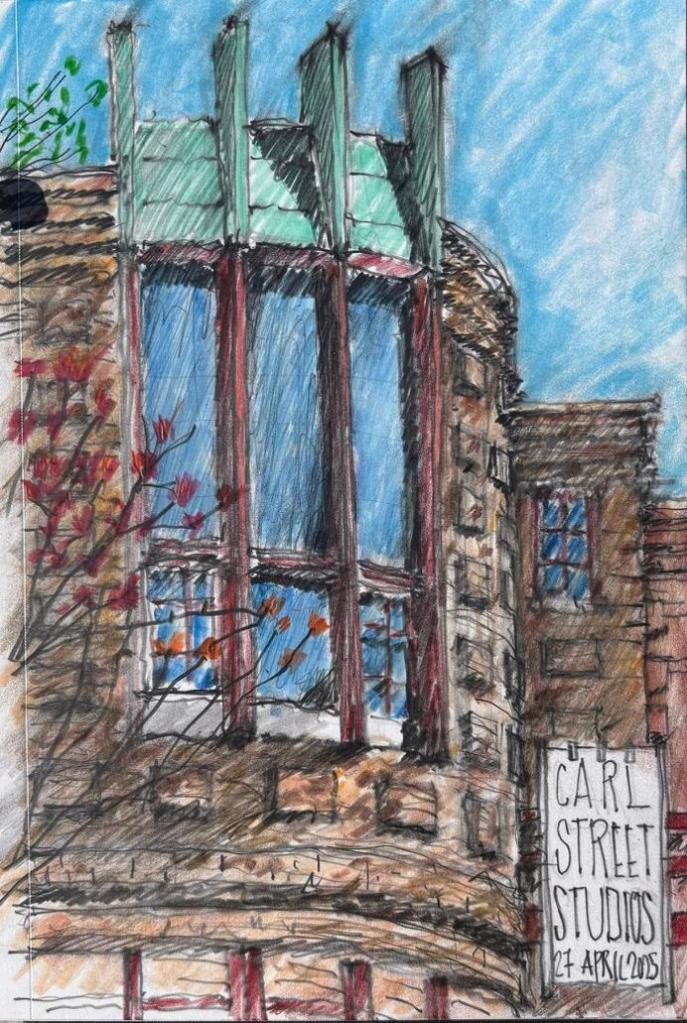
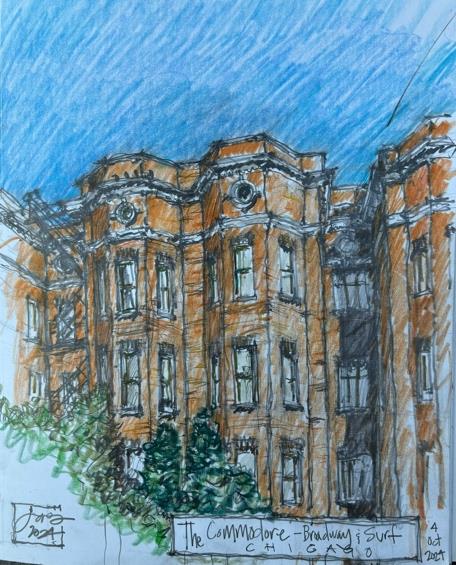
This workshop embraces experimentation as key to artistic growth. Photographer Sally Mann once said of her early work, “I am taking dumb pictures and I knew it. But better dumb pictures than no pictures… Sooner or later, the monkey was going to get lucky.” That spirit deeply informs my own approach. I often start with “dumb sketches”—quick, imperfect studies that freely explore composition, value, and design. Many of my strongest paintings emerged only after nine or more such sketches, each revealing something new.
In this class, we’ll bring that curiosity to an iconic Chicago location. Instead of pursuing one finished drawing, you’ll create a series of small 3×5 experimental sketches. Through rapid variations—cropping, simplifying, shifting focal points, altering values—we’ll discover what truly draws our eye and how best to express it. These mini-sketches become a playful space to uncover your personal voice, strengthen design decisions, and edit complex urban scenes with confidence.
By the end, you’ll have a collection of expressive, low-stakes studies that reveal your unique way of seeing—and a process you can carry forward long after the workshop.
Learn more about Kelly Zeng.
WS10 – Of Ink and Wash with David Lawrie
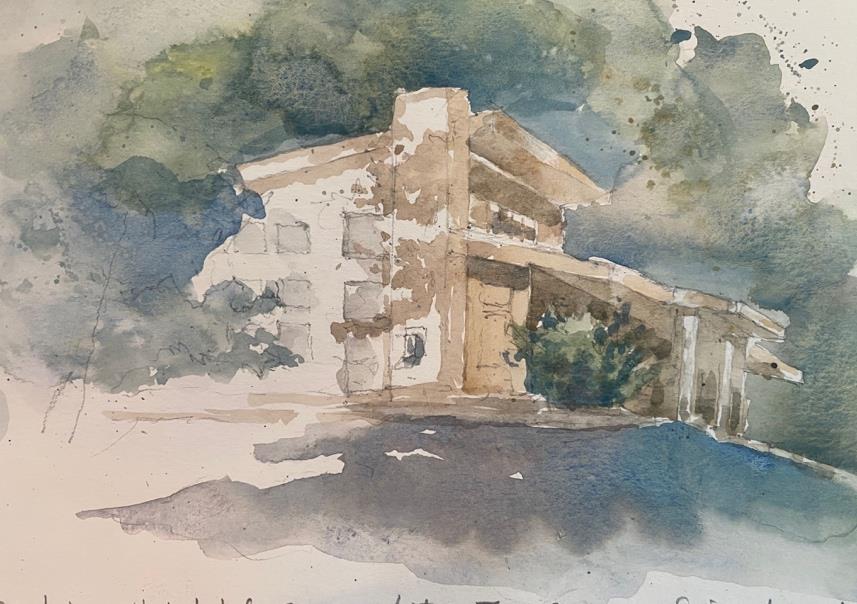
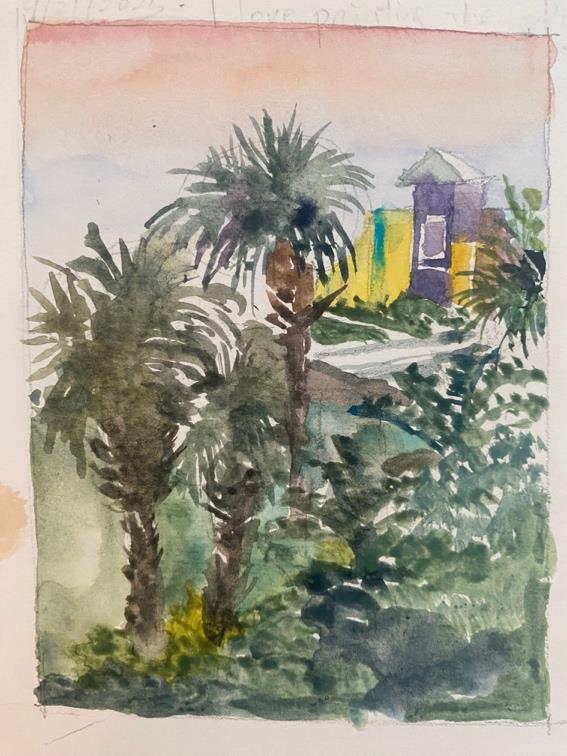
What is the value of creating an ink line and color wash drawing directly in the field? In this workshop, participants will learn to explore their surroundings more deeply. We will observe how trees, buildings, paths, lawns, and people interact with one another. You will learn to see how contrasting architectural styles with geometric forms complement the large park trees — whose column-like trunks and textured canopies provide a beautiful counterpoint of natural architecture. We will break down complex cityscapes so they are no longer overwhelming to the eye.
Learn more about David Lawrie.
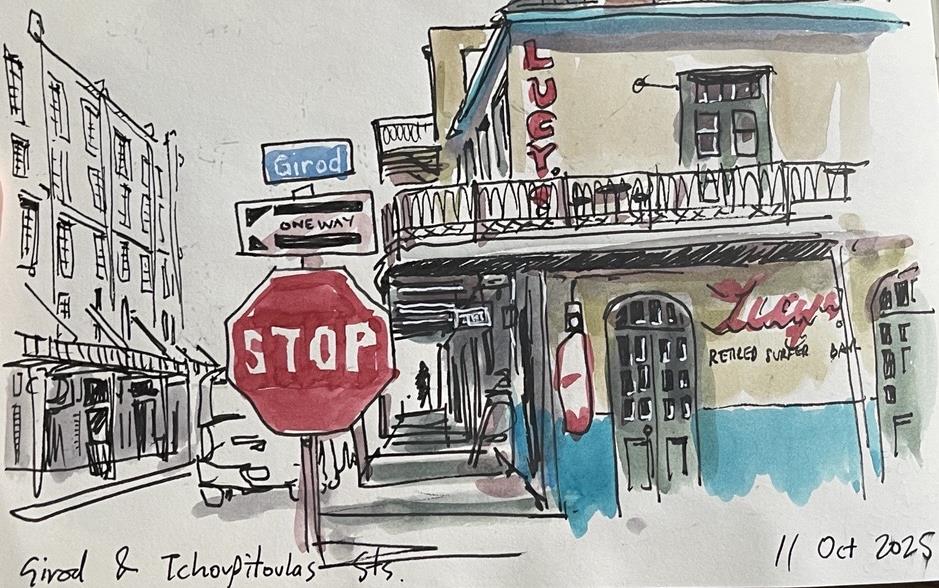
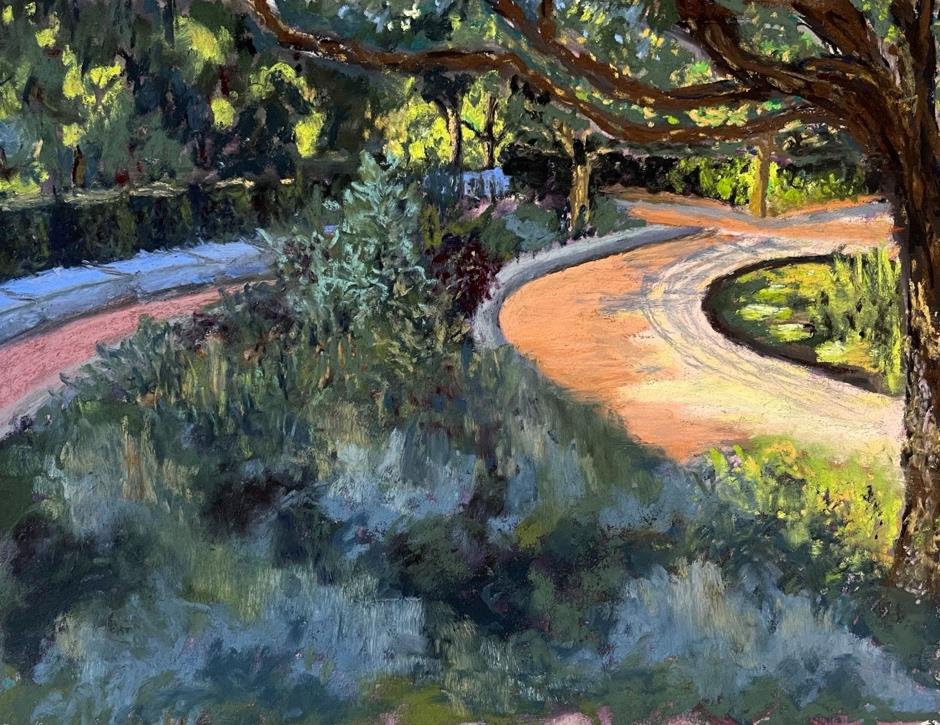
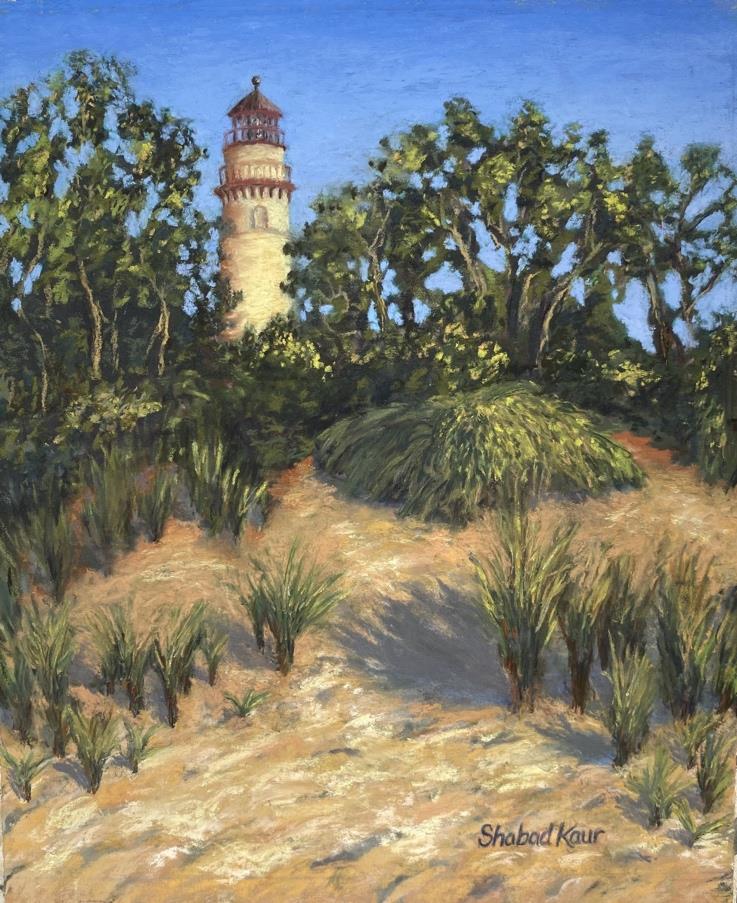
WS11 – Are You Pastel-Curious? with Shabad Kaur Khalsa
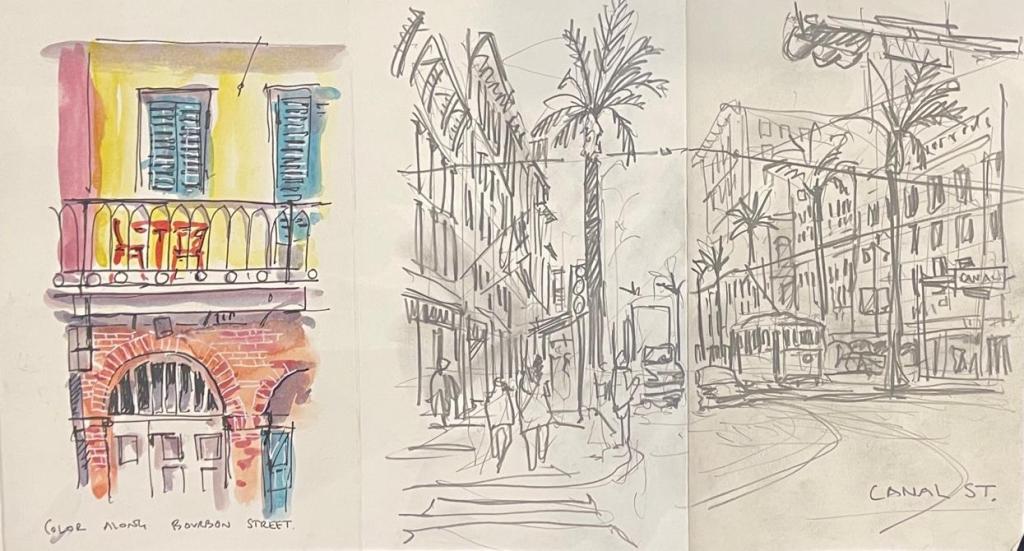
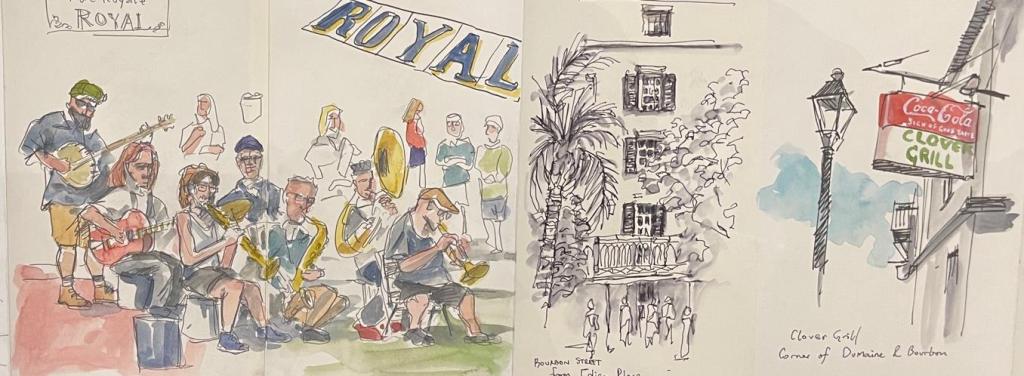
Have you ever wanted to try pastels? Now is the time! Explore techniques with the soft pastel medium on sanded pastel paper. Gain knowledge on application skills, the importance of color values, the difference between various pastel surfaces, and how hard and soft pastels differ. You’ll also learn some tips about ‘pastels-on-the go’ – how to be on the move with pastels and how to pack your materials for travel or urban sketching set-ups.
Learn more about Shabad Kaur Khalsa.
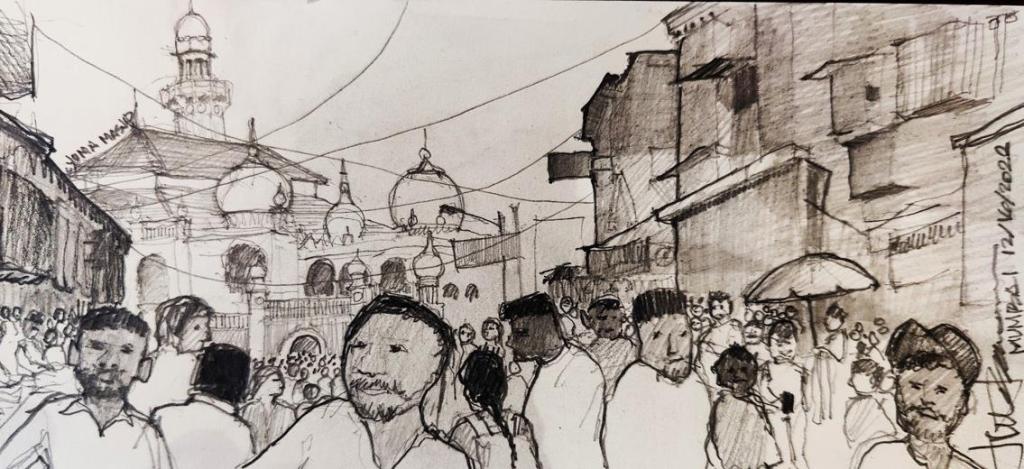
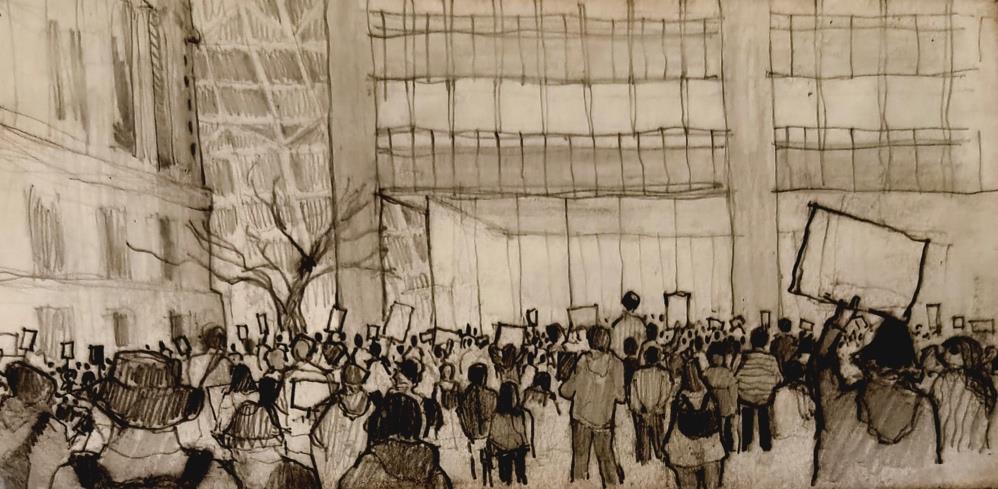
WS12 – Reportage and the Energy of the Crowd with Joel Berman
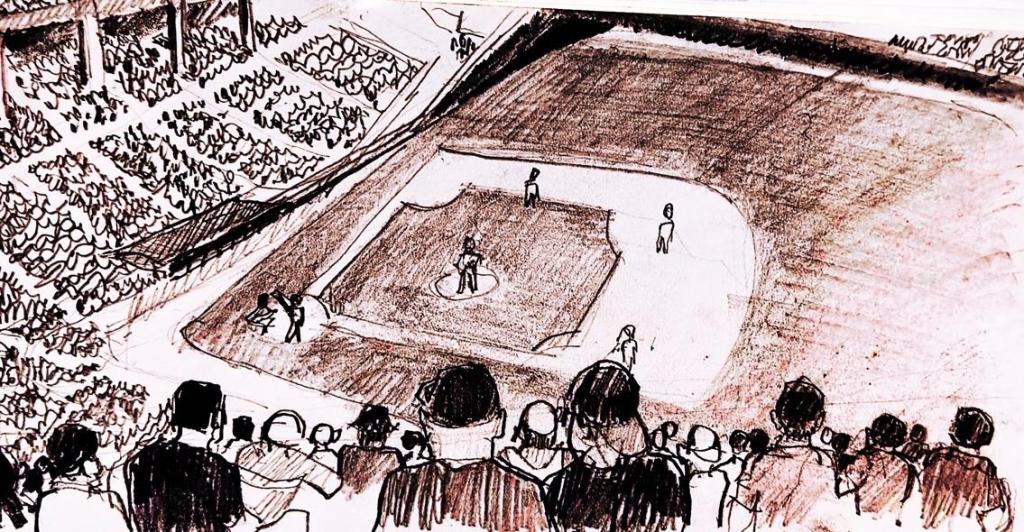
In the heart of Chicago’s Mariano Park, the city isn’t made of brick and mortar—it’s made of people. This workshop focuses on the art of reportage, moving beyond the static “mannequin” approach to figure drawing to dive into the kinetic energy of a live urban crowd.
Architect and urban sketcher Joel Berman will lead participants through the process of capturing the “Urban Theater.” We will treat the sidewalk as a stage and the people as actors in a continuous, unfolding narrative. Rather than focusing on rigid anatomy, we will prioritize gesture, interaction, and spatial layers: Foreground, middle ground, and background. Attendees will learn to use a kinetic line to capture the gait of a passerby, the silhouette of a diner, and the overlapping depth of a dense social scene.
Learn more about Joel Berman.
WS13 – Let’s Figure It Out with Ken Czech
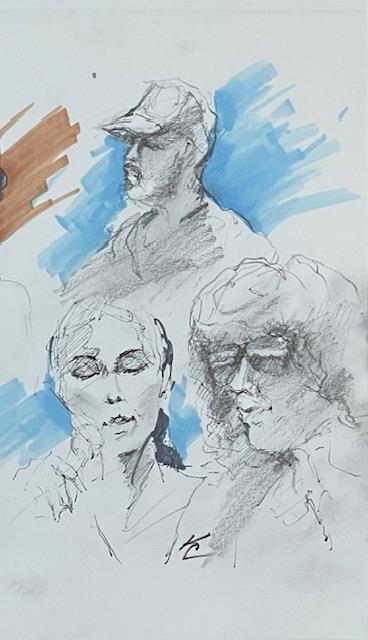
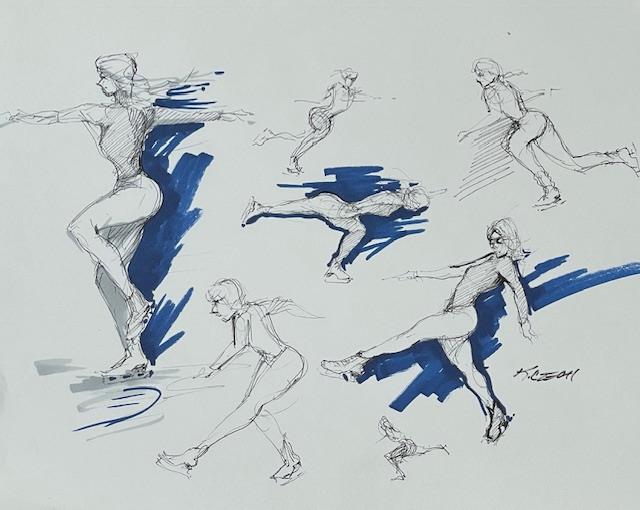
For those who find drawing people and figures challenging, this workshop is an excellent starting point to reduce the anxiety of adding people to your sketches. This will be great for beginners and those who don’t get into people subjects that often. We will investigate approaches to people-sketching in two ways. First, we’ll get acquainted with the face and head anatomy and see how this understanding will add some accuracy to our placement of facial features.
Secondly, we’ll get into basic figure anatomy and translate these ideas into some techniques to populate our “sketch world”. For this workshop we will be drawing (the foundational skill of all art), not painting.
Learn more about Ken Czech.
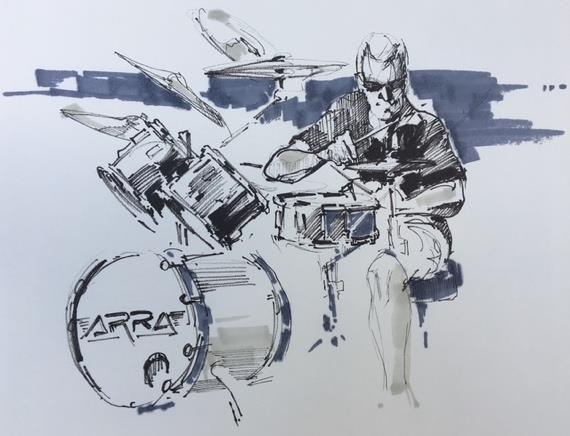
WS14 – Primed for Play: Gelli Prints as a Starting Point for Sketching with Tina Tang
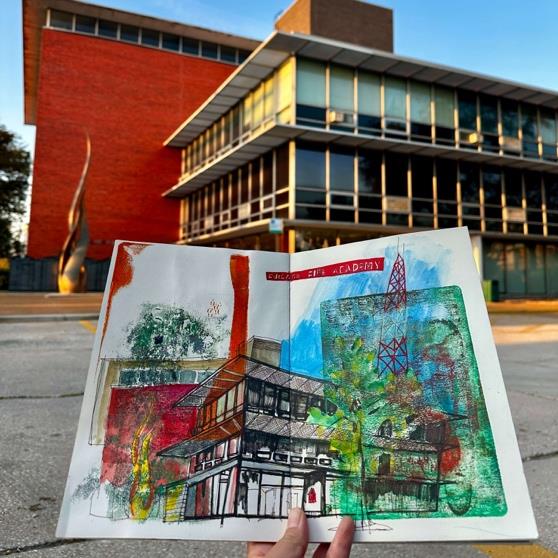
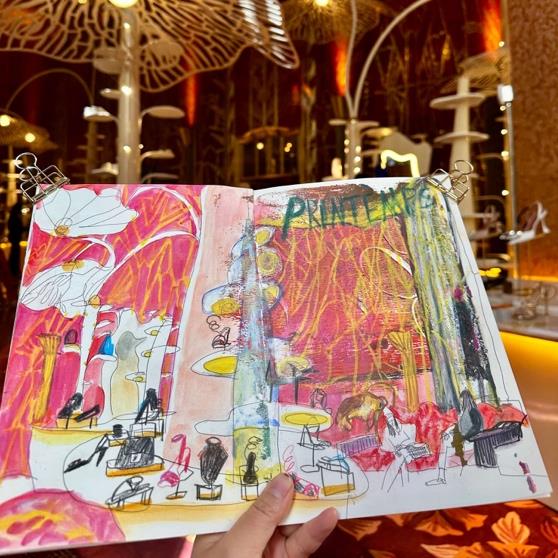
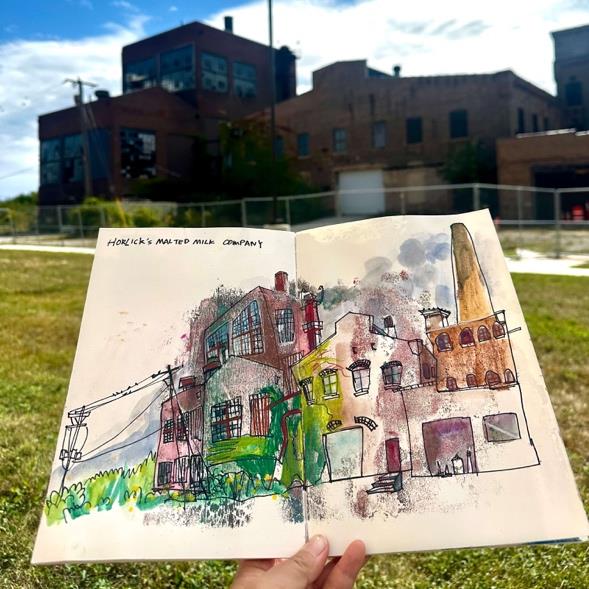
This workshop explores how mark making and mixed media can loosen up sketching and banish the intimidation of a blank page. We’ll start by using gelli printing to “prime” sketchbook pages with playful experimentation and texture creation. Participants will build abstract, layered backgrounds using everyday items like leaves, toilet paper rolls, nets, yarn, and other found objects—reconnecting with a childlike sense of curiosity, play, and joy in materials.
Once these marked pages are ready, we’ll use them as springboards for urban sketching. You can collage, draw directly, or respond intuitively to the textures and colors already there. Instead of chasing realism, the emphasis is on observation, interpretation, and energy—matching marks, lines, and shapes on the page to elements in the environment so the scene emerges naturally.
Many feel stuck by a blank page; by “destroying” it first, we lift that pressure and invite freedom, confidence, and experimentation. This workshop helps participants loosen up, trust their instincts, and rediscover the pure joy of sketching through play.
Learn more about Tina Tang.
 Urban Sketchers Chicago